Software and Product Maintenance is a term often used, but what does it actually mean?
For companies, it is crucial to understand the importance and relevance of Software and Product Maintenance. Essentially, software maintenance refers to the continuous care, updating, and optimization of software to ensure its performance and security.
In this post, we will explore the numerous benefits of regular Software and Product Maintenance and explain how it can help prevent potential issues and ensure the longevity of your software products.
Software and Product Maintenance is the process of changing, modifying, and updating software according to customer needs. It includes various measures to maintain functionality, fix errors, improve performance, and adapt to changing environments.

The Importance of Software and Product Maintenance lies in the fact that it:
- Maintains the competitiveness and relevance of the software in the market
- Ensures customer satisfaction
- Adapts the software to technological developments
- Guarantees operational security
Benefits of Regular Software and Product Maintenance
Regular software maintenance offers numerous benefits. Firstly, it helps maximize the performance and efficiency of the software, meaning it runs more smoothly and is less prone to crashes or errors. Additionally, regular maintenance helps close security gaps that could be exploited von cybercriminals. This is particularly important in a time when the threat of cyberattacks is constantly increasing. Finally, continuous maintenance can also help improve the user-friendliness of the software von introducing new features and updates that meet current market demands.
Types of Maintenance
There are different types of software maintenance that are applied depending on the need and situation:
Corrective Maintenance – Fixing Errors
Corrective maintenance refers to fixing errors or problems discovered after the software has been deployed. A real-world example would be fixing a bug that affects a specific function of the software. This type of maintenance is reactive and is performed once a problem is identified.
Adaptive Maintenance – Adapting to New Environments
Adaptive maintenance involves adjustments and changes to the software to make it compatible with new or changed environments. This could include updating the software to be compatible with a new version of an operating system. Adaptive maintenance ensures that the software continues to function properly even when the environment changes.
Perfective Maintenance – Improving Performance and Functionality
Perfective maintenance aims to improve the performance and efficiency of the software. This could be achieved von optimizing the code or introducing new features. An example would be improving the load time of an application. Perfective maintenance is proactive and aims to enhance the user experience.
Preventive Maintenance – Preventing Future Problems
Preventive maintenance deals with identifying and fixing potential issues before they occur. An example would be the regular review and updating of security protocols to prevent cyberattacks. Preventive maintenance helps avoid downtime and major issues.”
Maintenance Process
A structured maintenance process is crucial for the successful execution of software maintenance tasks. This process includes several steps, such as planning, execution, review, and documentation of maintenance activities. Adhering to a clearly defined process ensures that all maintenance tasks are carried out efficiently and effectively.
The typical maintenance process includes several steps:
- Identification and Tracking: Determining the software components to be maintained
- Analysis: Evaluating the proposed changes and their impacts
- Design: Developing new changes based on requirement specifications
- Implementation: Implementing the new modules
- System Testing: Reviewing the software and the system
- Acceptance Testing: User acceptance of the changes
- Deployment: Updating or reinstalling the software
Regular Maintenance Schedule
A regular maintenance schedule is crucial for the long-term performance of your software. By setting a fixed schedule for updates and reviews, you ensure that the software is always up-to-date and potential issues are identified early.
User Feedback and Testing
Incorporating user feedback and regular testing into the maintenance process is essential. User feedback provides valuable insights into the actual use of the software and possible areas for improvement. Regular testing helps identify and fix errors before they lead to major problems.”
Documentation
The role of documentation in software maintenance should not be underestimated. Detailed and well-maintained documentation facilitates troubleshooting and the implementation of updates. It also serves as a valuable resource for new team members and during project handovers.
Common Challenges
Maintaining software and products can be associated with various challenges, including unforeseen technical issues, lack of resources, or inadequate documentation. These challenges can affect the efficiency and effectiveness of maintenance processes.
Practical Solutions
To address these challenges, it is important to take proactive measures. This includes regular training of the maintenance team, implementing automated tools for monitoring and troubleshooting, and ensuring comprehensive documentation. By taking a proactive approach to maintenance, potential problems can be identified and resolved early, avoiding major failures and costly repairs.
Tools and Technologies for Effective Maintenance
Modern tools and technologies are crucial for effective maintenance. Predictive maintenance software allows companies to plan maintenance work early, minimizing costly downtime. IoT devices integrated into machines provide real-time data, enabling precise monitoring and analysis of machine conditions.
By using data analytics, companies can identify patterns and proactively address potential issues. These innovative approaches not only increase the efficiency of maintenance processes but also improve the reliability and overall performance of operational processes.
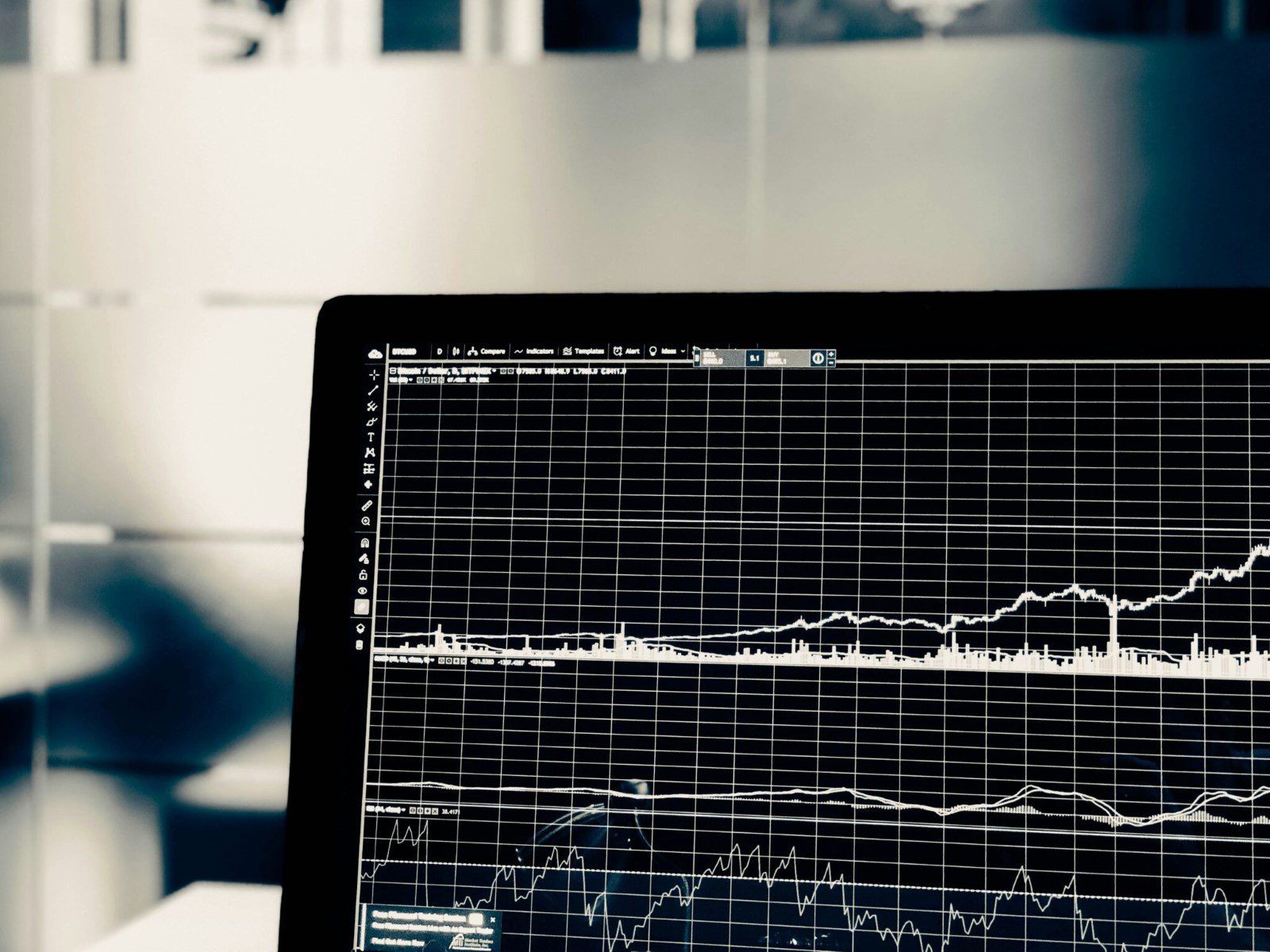
In summary, regular software and product maintenance is crucial for companies. It helps maximize the efficiency, security, and user-friendliness of the software.
For Dinnova, software and product maintenance is an essential part of the service offering. Dinnova provides continuous analysis of software performance and optimizations to ensure maximum efficiency and user-friendliness. This also includes providing technical support, developing new features, and important security updates.
By taking a proactive approach to maintenance, you can ensure that your software products are durable and successful.
Want to learn more or see for yourself?
Book a consultation now and discover the benefits of Dinnova!